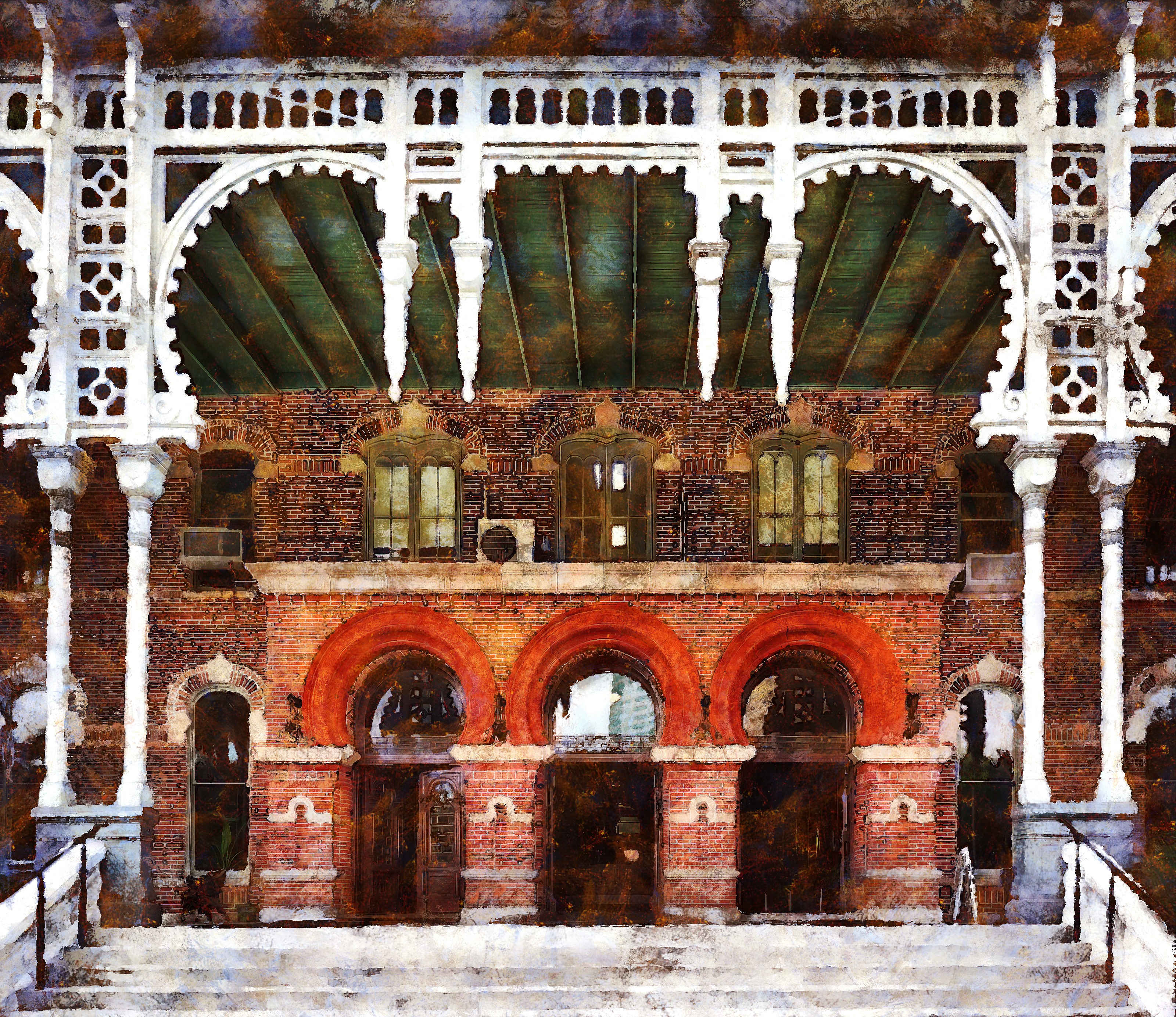
Henry B. Plant and his train sets, the Tampa Bay Hotel, and the Museum
A… brief… History Lesson
(No history for you? Click/ tap here to skip the lesson)
In 1888, railroad magnate Henry B. Plant sought to establish a luxury hotel for guests traveling on his trains to the then-rural Tampa, Florida. This hotel would be one of eight he constructed along his rail lines, and it was regarded as the premier establishment. After two years of construction and an investment of $3 million, the Tampa Bay Hotel opened its doors, featuring 511 rooms. Nightly rates for the rooms ranged from $5.00 to $15.00, while the average room rates in Tampa at that time were between $1.25 and $2.00.
The hotel’s opening marked the beginning of Tampa’s long history as a tourist destination. Mr. Plant and his railroads contributed to the development of Florida’s west coast in a manner similar to what Henry Flagler and his railroads accomplished for the east coast of Florida.
The Tampa Bay Hotel covered 6 acres, was 1/4 mile long, and featured
- the first ever elevator installed in Florida (it is still functional today, making it one of the oldest operating elevators in the U.S.)
- the first hotel in Florida to have electricity and telephones in the rooms (a guy named Edison was known to enjoy staying at the hotel with his newfangled electric amenities)
- private bathrooms in most rooms, complete with full-size tubs
- a poured-concrete, steel-reinforced structure so the building was advertised as fireproof
- a golf course, bowling alley, racetrack, baseball field, casino and indoor heated swimming pool on its 150 acres
- six minarets, four cupolas, and three domes, all glammed out in over-the-top Victorian style
- ornate decorations acquired by Mr. Plant and his wife during their travels through Europe. They collected a variety of luxurious items, including rococo bronzes, furniture, clocks, tapestries, paintings, and vases—one vase being a gift from the Emperor of Japan. In total, their furnishings cost around $500,000. (All told, the hotel build and furnishing would amount to more than $75 million in today’s economy.)
- BUT, no air-conditioning. First floor rooms were much sought after because they had better breezes.
The hotel operated from 1891 to 1930, housing thousands of guests.
- Famous guests included
- Sarah Bernhardt,
- Booker T. Washington,
- Clara Barton,
- Stephen Crane,
- the Queen of the United Kingdom,
- the Prince of Wales,
- Sir Winston Churchill, and
- Ignacy Paderewski.
- Babe Ruth signed his first baseball contract in the hotel’s Grand Dining Room. In 1919, he hit his longest home run during a spring training game on the hotel’s baseball field.
- Then- Colonel Teddy Roosevelt and his Rough Riders were stationed at the hotel for a while. Teddy had a suite in the hotel and his men encamped on hotel grounds. They did battle exercises on the grounds.
The hotel closed in 1930 due to the Great Depression, which severely impacted the tourist industry in Tampa. After sitting empty for three years, the building was repurposed for use by what is now the University of Tampa. In 1941, the city leased the hotel to the University for just $1.00 per year under a 99-year lease agreement, and it was renamed Plant Hall. Today, Plant Hall is a vital part of the University, housing classrooms, laboratories, and offices.
And, finally, the museum part…
The university’s lease did not encompass the southeast wing of the hotel. This wing was transformed into the Tampa Municipal Museum, which is dedicated to preserving the hotel’s rich history, its elegant furnishings, and its significant role in Tampa’s development. In 1974, the museum was renamed the Henry B. Plant Museum. Today, it operates alongside the bustling university in downtown Tampa.
(Thanks to Wikipedia and the Oxford Exchange for the history lesson)
A Victorian Christmas Stroll
Every year, the museum adorns its rooms with elaborate Victorian Christmas decorations and promotes a Victorian Christmas Stroll. The small rooms, combined with the event’s popularity and the extravagance of the Victorian era, make the Stroll feel almost overwhelming… and challenging to photograph.


This and the next image are part of the Dressed for Success: Fashioning Manhood at the Tampa Bay Hotel exhibition. “An intimate look at how masculinity was defined in the 1890s and how it shaped the lives of the staff at The Tampa Bay Hotel.”


And outside:


December 3, 2025
Thanks for visiting!
Click here to see full-size, no watermark, images at www.ImagesByBill.us
(comments are welcome)
I appreciate your support and hope you enjoy my posts! Together, we can keep the creativity flowing and deliver even more engaging content. Thank you for being part of this journey! Any donations would be greatly appreciated.
Make a one-time donation
Make a monthly donation
Make a yearly donation
Choose an amount
Or enter a custom amount
Your contribution is appreciated.
Your contribution is appreciated.
Your contribution is appreciated.


Leave a Reply